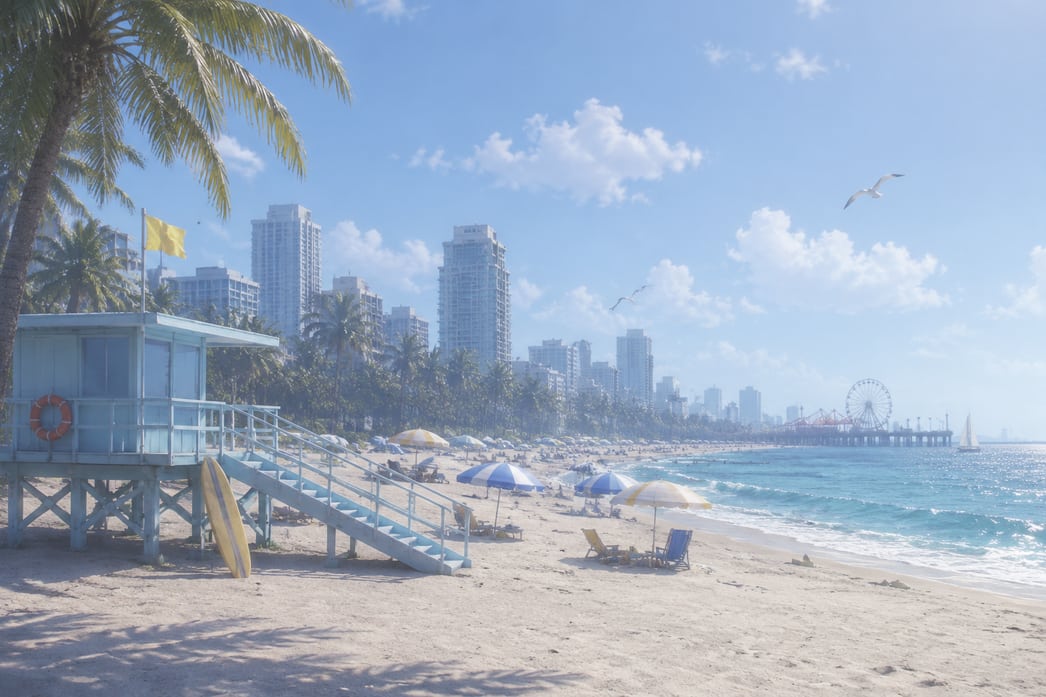
Vice City is one of the main areas players will explore in GTA 6, with coastal neighborhoods, busy commercial streets, residential districts, and industrial zones offering different environments for driving and missions. Players planning their GTA 6 Money should understand how these areas connect before spending time traveling across the city. Knowing the layout can help you choose better routes, reach mission locations faster, and avoid unnecessary detours.
Understanding Vice City’s Main Districts
Vice City includes several types of urban environments. Each area has its own layout, road network, and surroundings, which can affect how you approach exploration and mission travel.
Before heading into an unfamiliar district, check the destination and identify the main roads leading toward it. This makes it easier to adjust your route when traffic, road layouts, or mission objectives require a change.
Coastal Areas and Beachfront Roads
The coastal districts are defined by beaches, waterfront roads, and nearby commercial areas. These locations provide open routes for driving, but their road layouts can change as you move between beachfront streets and denser urban blocks.
When exploring coastal areas:
- Use main roads when traveling between distant locations.
- Watch for smaller streets connecting the beachfront to nearby neighborhoods.
- Avoid relying on one route when approaching a mission destination.
- Choose a vehicle that is easy to control around bends and crowded streets.
Coastal roads can be useful for sightseeing and general travel, while nearby urban streets provide access to shops and other city locations.
Downtown Vice City
Downtown features a denser urban environment with commercial buildings, major streets, and intersections. Traveling through this area requires more attention to traffic and turns, especially when moving between different blocks.
For missions in downtown areas, identify the nearest major road before entering smaller streets. If your destination is surrounded by buildings, approaching from another direction may provide a more convenient route.
Players should also avoid driving too aggressively through crowded intersections. Collisions can slow down travel and create additional problems when trying to reach an objective quickly.
Residential Neighborhoods
Residential areas offer a different environment from the main commercial districts. Their streets are generally more suitable for slower exploration and short-distance travel.
When moving through these neighborhoods, pay attention to street connections rather than staying on the largest roads. Smaller streets may provide more direct access to nearby locations, but they can also require additional turns.
A compact vehicle can be easier to handle when navigating narrow streets. For longer journeys across the city, return to the main road network whenever possible.
Industrial Districts and Port Areas
Industrial environments and port districts are important parts of Vice City’s wider urban layout. These areas provide a different setting from the beachfront and commercial neighborhoods, with large facilities and road connections serving the surrounding districts.
When approaching an industrial location, check the available entrances and surrounding roads before driving directly toward your destination. Large facilities may have multiple access points, so choosing the right approach can save time.
These areas are also worth exploring when a mission takes you away from the main city streets. Keep your vehicle positioned toward an accessible road so you can leave without making unnecessary turns.
Airport and Major Transport Routes
The airport and major transport connections help define how players move across Vice City. When traveling between distant districts, using major roads can make navigation more straightforward than taking a series of smaller streets.
Before starting a long drive, check the destination and consider whether your route passes through busy commercial areas. If it does, an alternative road may help you avoid unnecessary delays.
Players should also choose vehicles based on the distance and road conditions involved. A fast vehicle may be useful for longer journeys, while a more manageable car can be better for crowded urban streets.
Exploring Beyond Vice City
GTA 6 takes place across Leonida, so exploration is not limited to Vice City’s urban environment. Other named locations include the Leonida Keys, Grassrivers, Port Gellhorn, Ambrosia, and Mount Kalaga National Park.
These locations provide different environments for travel and exploration. Players moving outside the city should consider the distance between destinations and avoid treating every journey like a short downtown drive.
A useful approach is to explore nearby locations first, then plan longer trips when you have a clear destination. This reduces unnecessary backtracking and makes it easier to manage travel across the wider map.
Choosing Vehicles for Different Environments
Vehicle selection should depend on where you plan to drive. A car that works well on open roads may be less convenient in crowded neighborhoods or industrial areas.
- Downtown: Choose a vehicle with predictable handling for frequent turns and traffic.
- Coastal roads: Use a vehicle that remains stable at higher speeds.
- Residential streets: Smaller vehicles can make tight turns easier.
- Industrial areas: Prioritize control and reliable access to surrounding roads.
- Long-distance travel: Choose a vehicle suited to extended driving between locations.
Players should also consider how easily they can reach their destination and leave the area. Maximum speed is not always the most useful quality when a route includes tight corners or heavy traffic.
Preparing for Missions Across Vice City
Before starting a mission, check where the objective is located and identify a practical approach. If the destination is in a crowded district, plan an alternative route instead of relying entirely on the main road.
Players using GTA 6 Modded Accounts should still take time to learn the city’s layout and vehicle handling. Familiarity with major roads, neighborhood connections, and different driving environments can make mission travel more efficient.
When exploring, focus on one district at a time. Learn its main roads, nearby connections, and useful access points before moving to another part of Leonida. This makes it easier to navigate Vice City without wasting time crossing the same areas repeatedly.